


Overview
As part of a usability engagement with Torrid, I conducted a targeted mobile replay analysis to identify breakdowns in the eCommerce experience. The review combined session replays with open-ended customer survey comments to surface real, behavior-backed usability issues affecting shopping, login, and checkout.
The goal was to move beyond symptoms and pinpoint exactly where and why high-intent mobile sessions were failing.
Problem
Mobile users on Torrid’s site encountered repeated issues with performance, login reliability, product discovery, and cart behavior. These failures disrupted basic shopping flows and made the experience feel unstable, even for motivated users.
Implication
When core shopping functionality breaks down, trust erodes quickly. Users struggled to find products, stay logged in, and complete purchases, leading to abandoned carts and lost confidence during high-intent sessions.
Users & Audience
This analysis focused on Torrid’s mobile shoppers, using:
Open-ended customer survey comments to identify recurring pain points
Session replays to observe real behavior tied directly to those complaints
The work prioritized moments where users expected reliability but encountered friction instead.
My Role
I served as the usability analyst on this project.
I reviewed dozens of mobile session replays, mapped behaviors to specific customer complaints, and synthesized findings into usability themes. I presented the results during a live client call alongside the data analyst and customer service lead, using replay clips to walk stakeholders through each issue and its impact.
Scope & Constraints
Mobile-only analysis
Session replay review paired with qualitative survey feedback
No direct user testing
Focused on high-impact, high-frequency issues affecting conversion
Process (What I Did and Why)
Paired survey feedback with session replays
I used open-ended survey comments to guide which replays to review, ensuring the analysis stayed anchored to real customer pain points.
Why:
This avoided guesswork and made it possible to see exactly where users got stuck and what triggered their frustration.
Identified breakdowns across core usability themes
Findings were organized into five key areas:
Site performance:
Images failed to load on search and listing pages; some screens lagged or didn’t respond to scroll.Login reliability:
Users were logged out mid-session or repeatedly prompted to log in while using wishlists or attempting checkout.Cart functionality:
Items disappeared from the bag, failed to add, or couldn’t be recovered after login interruptions.Product discovery:
Search results didn’t match filtered inventory; filters behaved inconsistently and lacked exclusivity; availability information varied by navigation path.Interaction clarity:
The search input field lacked visual affordance, making it less discoverable as an entry point.
Presented behavior-first findings to stakeholders
Each issue was delivered as a standalone slide with:
Replay video clips
Clear explanation of the usability breakdown
User impact
Actionable recommendations grounded in retail best practices
Why:
Showing the behavior removed debate. Stakeholders could see the problem, understand the impact, and align on next steps quickly.
Outcomes
Several issues were addressed following the presentation, including fixes related to horizontal scrolling and image reliability.
While not all problems were confirmed resolved, the findings were well received and used to guide additional site improvements.
What I Took Away
Session replays are most powerful when paired with real customer sentiment
Reliability issues outweigh polish in eCommerce experiences
Showing behavior changes conversations faster than describing problems
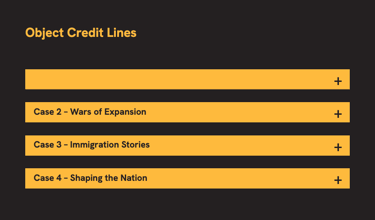
Hover State
Label is not visible on hover


Learn More labels are
-explain-
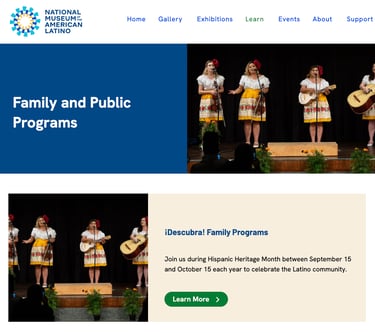
Duplicate Images
-explain-
No BCTs
-Explaiin-
Screenshot Examples
Contact Me
Reach out anytime for a friendly chat.
Phone
brian@brianjkinsley.com
+1-734-408-1213
© 2026. All rights reserved.